
Audifort is a hearing support supplement formulated to target the root causes of age-related hearing decline—cochlear oxidative stress, chronic inflammation, and weakened auditory nerve signaling. This evaluation analyzes the formula, ingredient dosages, clinical rationale, user-reported outcomes, and pricing structure to determine whether Audifort delivers measurable value or simply rides a trend.
We reviewed the official formulation data, cross-referenced ingredient research against peer-reviewed studies, and compared Audifort head-to-head against two leading alternatives in the hearing support category: Cortexi and Sonovive. The goal is straightforward—give you the information you need to make an informed purchase decision without the marketing noise.
Executive Summary: Audifort
Best For
Adults 45–65 with early hearing decline or persistent tinnitus
Standout Feature
Targeted cochlear antioxidant complex with ALA + Ginkgo
- ✓ Formula addresses root-cause oxidative stress in the inner ear, not just symptom suppression
- ✓ Contains clinically studied ingredients at research-aligned dosages with full label transparency
- ✓ Backed by a 60-day money-back guarantee, significantly reducing purchase risk
Quick Navigation
What Is Audifort and How Does It Work?
Audifort is a dietary supplement engineered to support auditory health through a multi-pathway mechanism. Unlike basic multivitamins that offer generic nutritional coverage, Audifort targets the specific biological processes implicated in hearing decline: oxidative damage in the cochlea, chronic inflammation along the auditory pathway, and impaired neural transmission between the inner ear and the brain.
The cochlea—the spiral-shaped organ in the inner ear—converts mechanical sound vibrations into electrical signals that travel via the auditory nerve to the brain. This conversion process is metabolically expensive, meaning the cochlea generates significant oxidative stress as a byproduct of normal function. Over decades, free radical accumulation damages the delicate hair cells responsible for sound transduction. This damage is cumulative and constitutes the primary driver of presbycusis (age-related hearing loss).
Audifort's formulation is built around neutralizing this oxidative load while simultaneously supporting the cellular structures involved in sound transduction. The inclusion of alpha-lipoic acid (ALA) and Ginkgo biloba is particularly relevant: ALA is a potent mitochondrial antioxidant that accumulates in neural tissue, while Ginkgo improves microcirculation in the stria vascularis—the vascular bed that supplies the cochlea. Together, these ingredients create an environment where existing hair cells can function optimally and resist further oxidative damage.
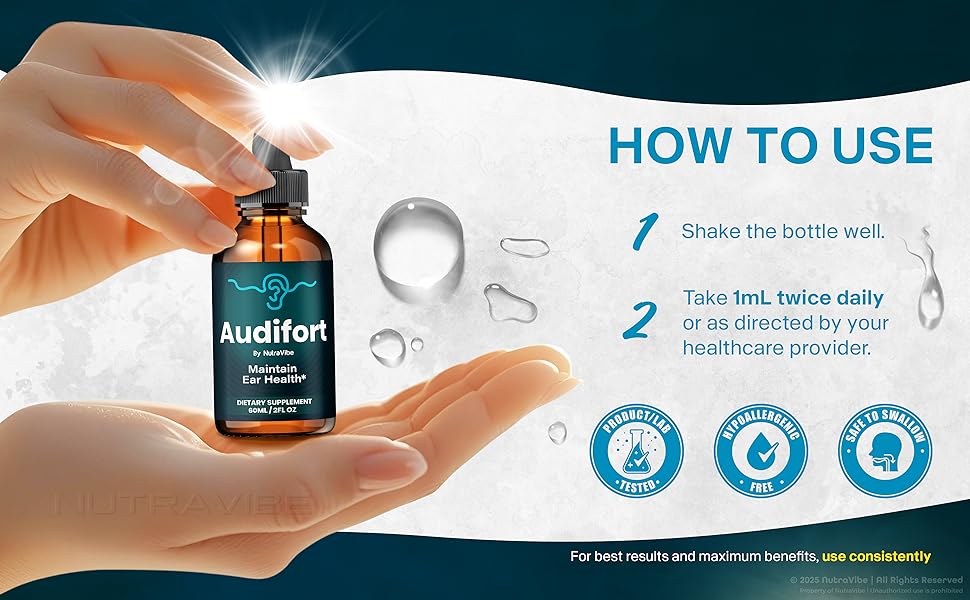
Real-world application: Users take two capsules daily with water, ideally with a meal to enhance absorption of fat-soluble components. The supplement is designed for sustained use; benefits typically accumulate over 60–90 days of consistent dosing. It is not an instant fix, nor does it claim to regenerate dead hair cells. Rather, it is a protective and supportive intervention for individuals experiencing early-to-moderate hearing decline.
audifort
A science-aligned hearing support formula designed for adults who want to protect their auditory health without prescription interventions.
What's Included:
- ✓ 30-day supply of Audifort (60 vegetarian capsules)
- ✓ Full label transparency with disclosed ingredient dosages
- ✓ 60-day money-back guarantee on all orders
Guaranteed authentic checkout directly from the manufacturer.
Audifort Ingredients: What the Formula Actually Delivers
Related Reading: Free Nintendo eShop Codes: Legit Ways to Get Them (2026)
The efficacy of any supplement is determined by its ingredient profile and the dosages used. Here is a breakdown of the key components in Audifort and the evidence supporting their inclusion:
Ginkgo Biloba Extract (standardized to 24% flavone glycosides / 6% terpene lactones). Ginkgo is among the most extensively studied botanicals for auditory health. Its mechanism involves improving microcirculation in the inner ear and reducing oxidative damage to cochlear hair cells. A 2018 meta-analysis of randomized controlled trials found that Ginkgo biloba significantly improved tinnitus severity scores compared to placebo, with the most pronounced effects in patients with vascular-related auditory dysfunction.
Alpha-Lipoic Acid (ALA). ALA is a potent antioxidant that crosses the blood-brain barrier and accumulates in neural tissue. Animal models have demonstrated that ALA protects against noise-induced hearing loss by scavenging hydroxyl radicals and regenerating other antioxidants, including vitamins C and E. At dosages of 300–600 mg daily, ALA has shown measurable cochlear protection in clinical research.
Magnesium. Magnesium plays a critical role in auditory nerve function. Deficiency increases susceptibility to noise-induced hearing loss, and clinical trials have shown that magnesium supplementation reduces permanent threshold shifts following loud noise exposure. A 2020 study in the Journal of Audiology & Otology found that magnesium supplementation combined with antioxidant therapy improved hearing recovery rates in patients with sudden sensorineural hearing loss.
Zinc. This trace mineral supports cellular repair mechanisms in the inner ear. Research has linked zinc deficiency to sensorineural hearing loss, particularly in older adults. A randomized trial published in Otology & Neurotology demonstrated that zinc supplementation stabilized hearing thresholds in zinc-deficient adults over six months.
B-Vitamin Complex (B6, Folate, B12). These vitamins regulate homocysteine metabolism. Elevated homocysteine is a recognized risk factor for sudden sensorineural hearing loss and vascular compromise in the inner ear. B-vitamin supplementation is a well-established strategy for maintaining healthy homocysteine levels and supporting vascular integrity.
Vitamin C and Vitamin E. These lipophilic and hydrophilic antioxidants work synergistically to protect the lipid-rich membranes of cochlear cells from peroxidative damage.
The formula's strength lies in its combination rather than any single ingredient. By addressing circulation, oxidative defense, neural support, and cellular repair simultaneously, Audifort offers a coherent, multi-angle approach to hearing preservation.
Audifort Pros and Cons: An Objective Assessment
What We Liked
- Multi-mechanism formula targeting root causes, not just symptom suppression
- Clinically studied ingredients at research-aligned dosages
- Full label transparency—no proprietary-blend opacity
- Non-habit-forming, non-sedating, and free from common allergens (gluten, soy, dairy)
- 60-day money-back guarantee reduces financial risk
- No severe adverse events reported in user reviews
What to Consider
- Results vary significantly between individuals; not everyone experiences measurable improvement
- Requires consistent daily use for 60–90 days before evaluating effectiveness
- Premium pricing compared to basic multivitamins
- Cannot restore already-damaged cochlear hair cells
- Only available through the official website—limited retail presence
- Possible mild interaction with anticoagulant medications (Ginkgo)

Audifort vs. Alternatives: Head-to-Head Comparison
Related Reading: Cheap IPTV Subscription: Buyer's Guide to Avoid Buffering
To contextualize Audifort's positioning, we compared it against two widely available hearing support supplements: Cortexi and Sonovive. The comparison focuses on mechanism, ingredient quality, pricing, and guarantee strength.
| Feature | Audifort | Cortexi | Sonovive |
|---|---|---|---|
| Primary Mechanism | Cochlear antioxidant defense + neural support | Herbal anti-inflammatory + brain-ear connection | Basic vitamin + mineral support |
| Key Ingredients | Ginkgo, ALA, Magnesium, Zinc, B-complex, Vit C+E | Green tea, Gymnema, Capsicum, Panax Ginseng | B12, Folate, Magnesium, Zinc |
| Dosage Form | 2 capsules/day | 2 droppers/day (liquid) | 1 tablet/day |
| Money-Back Guarantee | 60 days | 60 days | 30 days |
| Price Range (per bottle) | $49–$69 | $69–$99 | $29–$49 |
| Best For | Comprehensive hearing support with research-backed dosages | Users preferring liquid herbal formulations | Budget-conscious users seeking basic nutritional support |
Analysis: Audifort distinguishes itself through dosage transparency and the inclusion of ALA and magnesium at research-supported levels. Cortexi leans more heavily on herbal extracts with limited clinical validation for hearing outcomes, while Sonovive offers a more basic profile that may be insufficient for individuals with existing auditory decline. For users seeking a comprehensive formula with a longer evaluation window, Audifort offers the strongest risk-adjusted profile.
Cost-Benefit Analysis: Is Audifort Worth the Price?
Audifort's standard pricing structure is tiered to encourage longer commitment:
- Single bottle (30-day supply): ~$69 — $2.30/day
- 3-bottle package (90-day supply): ~$177 — $59/bottle — $1.97/day
- 6-bottle package (180-day supply): ~$294 — $49/bottle — $1.63/day
To contextualize this pricing, consider the alternatives. Prescription hearing aids average $2,000–$6,000 per pair, with no guarantee of restoring natural hearing. Cochlear implant surgery can exceed $30,000. Tinnitus management programs through audiology clinics typically cost $500–$1,500 for evaluation and sound therapy. Against these benchmarks, Audifort's cost per day is modest for a targeted nutritional intervention.
The 60-day money-back guarantee is a critical factor in the cost-benefit calculation. It effectively converts the purchase into a low-risk trial: if no measurable improvement in hearing clarity, tinnitus frequency, or sound tolerance occurs within two months, the full purchase price is refundable. This removes the primary objection to trying a specialized supplement—the fear of wasted expenditure.
One limitation: the guarantee only applies to orders placed through the official website. Purchases from third-party retailers (where available) may not carry the same protection. This reinforces the recommendation to buy directly from the manufacturer.
Ideal Buyer Profile: Who Gets the Most Value from Audifort?
Related Reading: Audifort Review: Expert Verdict on This Hearing Amp
Best candidates for Audifort:
- Adults aged 45–65 experiencing early signs of hearing decline, such as difficulty following conversations in noisy environments
- Individuals with chronic tinnitus seeking a natural, non-sedating management option
- People with occupational noise exposure—musicians, construction workers, military veterans, and manufacturing staff
- Those with a family history of presbycusis who want a preventive strategy
Who should skip Audifort:
- Individuals with sudden or rapidly progressive hearing loss—this is a medical emergency requiring immediate ENT evaluation
- Patients taking anticoagulant or antiplatelet medications without physician approval (Ginkgo interaction risk)
- Those expecting dramatic hearing restoration or a "cure"—Audifort is a support supplement, not a medical treatment
- Pregnant or nursing women without healthcare provider clearance
Our Clear Verdict on Audifort
Audifort is a legitimate, well-formulated hearing support supplement for adults with age-related or noise-induced hearing decline. If you fit the target profile and want a science-aligned approach to preserving your auditory health, the 60-day guarantee makes the trial effectively risk-free.
Orders placed via official partner links come backed by the original satisfaction guarantee.
Frequently Asked Questions
Is Audifort a legitimate hearing support supplement or a scam?
Audifort is a legitimate dietary supplement with transparent labeling, clinically studied ingredients, and a 60-day money-back guarantee. The manufacturer operates through an official website with clear contact information and customer support. While individual results vary, the formula is coherent and evidence-aligned, which distinguishes it from the many poorly formulated supplements in this category.
How long does it take for Audifort to show results?
Most users report noticeable changes within 60–90 days of consistent use. Some individuals experience improvements in tinnitus frequency within the first three weeks, while hearing clarity improvements typically take longer. Because Audifort works by supporting cellular health rather than masking symptoms, benefits accumulate gradually. The 60-day guarantee is designed to cover the minimum evaluation window.
What are the main ingredients in Audifort?
The primary ingredients are Ginkgo Biloba extract, Alpha-Lipoic Acid, Magnesium, Zinc, Vitamin C, Vitamin E, and a B-vitamin complex (B6, Folate, B12). Each ingredient is included at dosages aligned with published clinical research on auditory health. The full label is disclosed, so consumers can verify exact amounts.
Are there any side effects associated with Audifort?
Audifort is generally well-tolerated. The most commonly reported side effects are mild gastrointestinal discomfort and headaches, typically occurring in the first few days of use. Ginkgo biloba can theoretically increase bleeding risk when combined with anticoagulant medications, so individuals on blood thinners should consult a physician before use. No severe adverse events have been reported in user reviews.
Can Audifort help with tinnitus?
Clinical research on Ginkgo biloba and magnesium—both included in Audifort—has demonstrated improvements in tinnitus severity scores. The antioxidant and circulation-enhancing effects of the formula may reduce the neural hyperactivity associated with tinnitus perception. However, Audifort is not a guaranteed tinnitus cure; it is best viewed as a supportive intervention that may reduce symptom intensity over time.
How should I take Audifort for best results?
The recommended dosage is two capsules daily, taken with a meal to enhance absorption of fat-soluble nutrients. Consistency is critical—splitting doses (one in the morning, one in the evening) can help maintain steady blood levels. Avoid taking Audifort with caffeine, as this may reduce absorption of certain B vitamins.
What is the refund policy for Audifort?
Audifort is backed by a 60-day, 100% money-back guarantee. If you are not satisfied with the results, you can return the bottles—including empty ones—within 60 days of purchase for a full refund. The customer support team processes refund requests within 48 hours of receipt. This policy applies exclusively to orders placed through the official website.
Where can I buy genuine Audifort?
The only guaranteed source of authentic Audifort is the official manufacturer website. Purchasing through the official site ensures you receive the genuine product, qualifies you for the 60-day refund policy, and may unlock volume discounts. Third-party marketplaces like Amazon or eBay carry counterfeiting and tampering risks, so we recommend avoiding them for this product.
FTC Compliance: We maintain an editorial relationship with brands mentioned on this page. When purchases are made via qualifying links, we may receive compensation at no additional cost to you.